
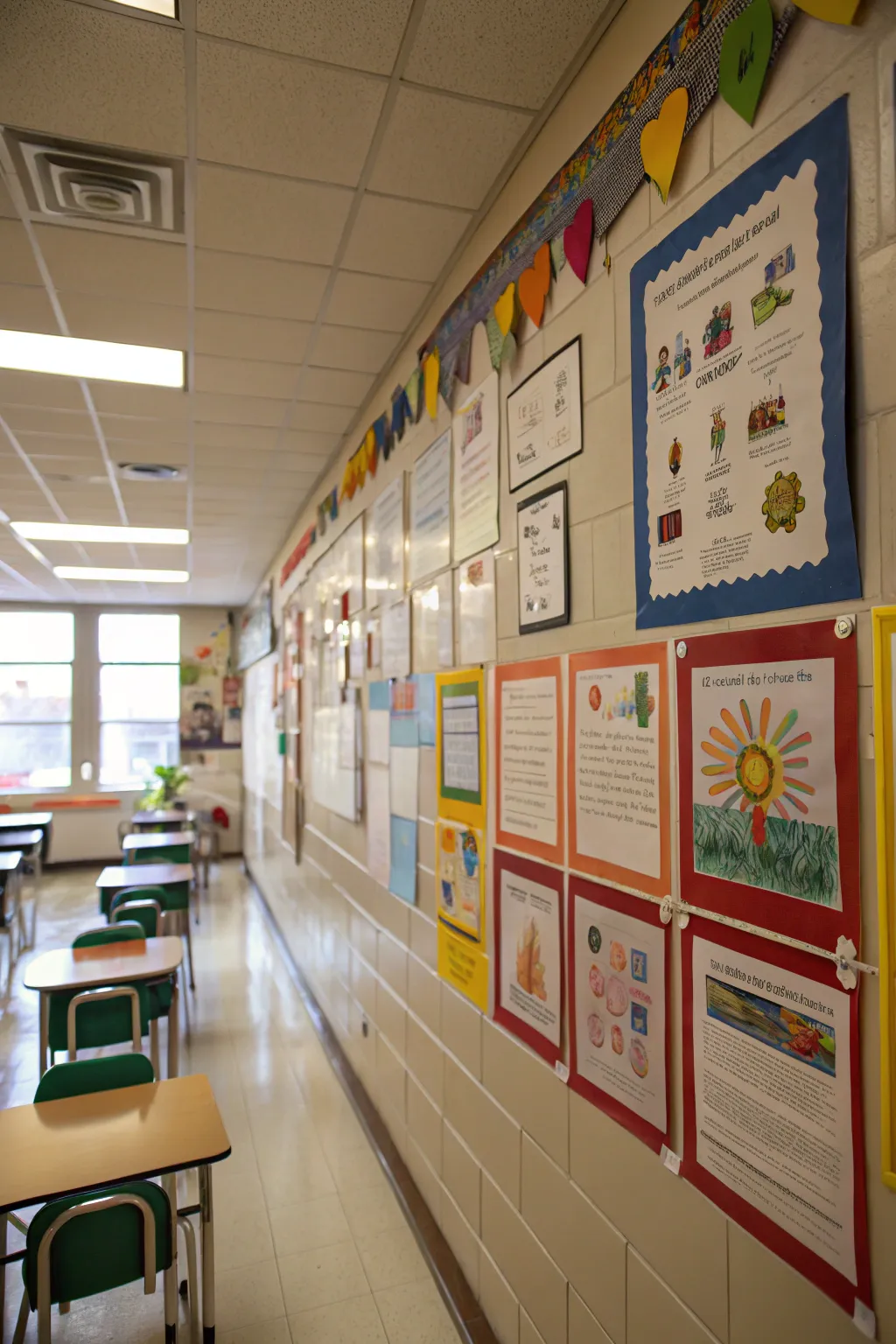
The design of a classroom can profoundly shape how students absorb knowledge and relate to each other. With careful and considered planning, you have the power to craft an environment that sparks both imagination and concentration.
Employ Adaptable Writing Zones

Convert portions of your walls or desks into writable spaces using chalkboard paint or dry erase films. This not only conserves stationery but also promotes unprompted idea exchanges.
You might like:
- Chalkboard Coating: Easily turn walls into writeable spaces. Promote creative thinking and spontaneous sharing.
- Removable Whiteboard Films: Adapt workspaces into writeable zones. Unleash thoughts without wasting stationery.
- Magnetic Writeable Board: Improve the wall’s usefulness via a magnetic board. Perfect for classroom teamwork.
Welcome Nature’s Touch

Introduce vegetation or nature-centric adornments to foster a serene and inviting ambiance. I frequently incorporate greenery to harmonize the mood, turning it into a tranquil learning haven.
May just do the trick:
- Internal Greenery Containers: Enliven classroom feelings with greenery, inspiring a fresh and composed atmosphere.
- Suspended Greenery Pots: Incorporate upwards interest via suspended pots. This adds lively touches to the classroom.
- Natural Scenery Wall Art: Incorporate nature-centric art to harmonize the mood. Inspire student creativity.
Utilize Environmentally Sound Materials

Choose sustainable resources like bamboo or repurposed furniture in your classroom design. They are not only planet-friendly but also imbue a natural sophistication into the atmosphere.
Explore these options:
- Bamboo Classroom Set: Enhance your learning space with sustainable bamboo sets for a chic, eco-friendly design.
- Repurposed Material Display: Employ displays built from repurposed materials to promote environmental consciousness.
- Natural Thread Suspended Lights: Accent rooms with natural thread lamps, infusing warmth and sustainability.
Thoughtful Tech Combinations

Blend displays and devices to enrich, rather than overshadow, your instructional techniques. I’ve come to believe that technology, when applied thoughtfully, unlocks fresh pathways for education.
Check these products out:
- Engaging Digital Whiteboard: Deepen interaction using a digital whiteboard. It offers vibrant educational experiences.
- Personal Study Tablets: Empower pupils through tablets, unlocking personalized education opportunities.
- Detachable Visual Projector: Employ a visual projector to effortlessly display content. This assists united classroom work.
Stress Planned Storage Solutions

Employ shelving units, containers, and labeled boxes to maintain learning resources in an orderly and reachable state. I’ve come to realize that a structured setting is vital for a thriving classroom.
Consider these options:
- Changeable Wood Shelves: Optimize space using adjustable shelves, maintaining learning materials neatly stored and handy.
- See-Through Storage Cases: Arrange items using see-through cases, simplifying the retrieval process swiftly.
- Tagging System: Produce sharp tags for storage. Guarantee every item occupies its designated location in class.
Develop Interactive Learning Spaces

Establish zones dedicated to particular tasks, like cozy reading spots or investigative science centers. These areas can inject dynamism and excitement into learning, a sentiment echoed by my students consistently.
Check if these fit your needs:
- Inviting Reading Area Chairs: Improve your reading corner using supportive chairs. These foster concentration and relaxation.
- Science Exploration Packs: Make exploration interactive via experiment kits. Encourage hands-on understanding and discovery.
- Adaptable Storage Units: Organize and present materials with adaptable units. Perfect for interactive areas.
Investigate Nature-Inspired Concepts

Integrate elements like artificial turf rugs or scenic landscape wallpapers to draw the outside in. It’s a delightful surprise that amazes students and adds originality to the learning space.
A few relevant products:
- Artificial Turf Rug: Transform your classrooms through artificial turf, building a nature-centric, playful setting.
- Scenic Landscape Stickers: Add vibrant landscape stickers to invigorate the class with outdoor charm and ingenuity.
- Suspended Foliage Accents: Incorporate suspended foliage accents for a revitalizing and vibrant natural feel inside.
Implement Adaptable Arrangement Options

Let go of the conventional desk arrangement and explore diverse seating solutions like comfortable bean bags, compact tables, and modern stools. From my own observations, adaptable seating setups encourage teamwork and a sense of ease among pupils.
Useful items to consider:
- Cozy Sack Loungers: Upgrade student relaxation with versatile sack loungers. These foster flexible classroom arrangements.
- Circular Ground Cushions: Offer welcoming spaces with circular cushions, building a friendly atmosphere for learning.
- Customizable Height Perches: Enhance participation using adaptable perches, great for stimulating and united classrooms.
Leverage Customizable Display Systems

Swap out traditional bulletin boards with peg boards for a flexible and structured learning space. They’re a personal favorite for maintaining the area’s tidiness and dynamism.
These products might help:
- Customizable Board Set: Transform lessons easily through pegboard kits, suitable for vibrant wall layouts.
- Assorted Board Pegs: Personalize usage through various pegs, ideal for organizing items neatly and reachably.
- Bright Board Containers: Improve storage using vibrant bins that ensure essentials are visible and structured.
Incorporate Instructive Decorations

Adorn your spaces with informative charts, interactive boards, and uplifting posters. These adornments not only amplify the visual charm but also reinforce knowledge subtly.
Items that may come in handy:
- Global Area Educational Display: Enhance geography using an engaging global area display. It brightens any study space.
- Uplifting Board Collection: Inspire daily progress with a dynamic collection of boards that uplifts classroom spirits.
- Math Skill Set: Develop math comprehension using a set of charts, illustrating major concepts effectively.
Incorporate Tranquil Sections

Mark areas for silent contemplation or focused tasks to support students needing a serene escape. From my design perspective, these zones have been crucial in accommodating different educational demands.
A few things you might like:
- Relaxing Loungers: Deepen emphasis and relaxation using loungers for your tranquil areas.
- Suspended Shading Domes: Build peaceful spaces via suspended domes, promoting student calmness.
- Sparkling String Illumination: Add a peaceful ambiance through sparkling lights, inspiring a relaxed space.
Foster a Phonetic Showcase

A sound display featuring vowel and consonant illustrations can serve as a remarkable tool for phonics training. I’ve personally witnessed its effectiveness in refining language capabilities, transforming an ordinary display into an interactive educational tool.
Might be a good match:
- Vowel And Consonant Chart: Amplify phonetic learning with this vibrant chart. Great for dynamic language growth.
- Informative Sound Cards: Introduce phonics through engaging cards. Make language studies engaging and interactive.
- Classroom Magnetic Script: Increase participation through magnetic scripts. A tactile tool for vibrant phonetic learning.
Incorporate Understated Design Elements

Embrace a minimalist strategy to minimize visual distractions. I’ve come to realize that this design improves students’ concentration and increases overall functionality.
Give these a look:
- Simple Study Desks: Boost focus using sleek, tidy desks built for practicality and simplicity in the study room.
- Easy-Read Timepieces: Retain classroom awareness using simple timepieces, ensuring a clear surrounding.
- Plain Tone Message Boards: Organize details smoothly using a plain-tone board that enhances minimalist looks.
Select Relaxing Color Combinations

Decide on soothing hues like shades of blues, greens, and earth tones to foster a tranquil atmosphere. I’ve noticed these palettes can reduce stress and improve focus.
A few suggestions:
- Light Blue Wall Treatment: Change your classroom with light blue paint, inspiring a composed learning space.
- Green Ground Cover: Introduce a comforting touch via a green rug, perfect for achieving a calm atmosphere.
- Pastel Green Chairs: Improve student coziness using pastel chairs created for an inviting class setting.
Cultivate Vibrant and Radiant Atmospheres

Infusing dynamic colors like verdant green, tranquil blue, and cheerful yellow can completely reinvent your classroom into a space that feels alive and welcoming. I’ve noticed that these vibrant shades not only brighten the room but also elevate the spirits of both the learners and educators.
Possibly handy products:
- Vivid Learning Space Stickers: Infuse your spaces with vibrant stickers. Transform stark areas into uplifting learning centers.
- Brilliant Educational Carpets: Introduce vibrancy and coziness using brilliant carpets. These enhance classroom ease and creative flow.
- Radiant Desk Management Tools: Organize spaces effectively using radiant tools. These promote cleanliness and inject color into everyday learning.
Emphasize Learner Successes

Design a focused area where learners can showcase their creations. This builds confidence and cultivates a sense of achievement.
Products that could assist:
- Pin-Up Display Board: Easily showcase learner work and cultivate a lively atmosphere for everyone to see.
- Interactive Showcase Board: Showcase successes innovatively and allow pupils to share an engaging and vibrant zone.
- Wall-Mounted Work Rail: Easily suspend pupil work and keep the classroom structured and visually appealing.