
When styling our homes, the smaller design choices can have the biggest impact, especially when linking different types of flooring. Let’s uncover 21 inspiring concepts for crafting fluid and beautiful floor transitions that will transform your home’s overall feel.
Nature’s Stone

Opt for natural stone for a high-end layout that radiates a feeling of being both organic and posh. I like using this option when trying to take a little bit of nature inside.
Items that may come in handy:
- EverStone Tiles: These tiles are organic and rich.
- RockJoin Strips: The strips will add a smooth flow to the floor.
- SureStone Grip: Fasten natural stone with this durable grip.
Striking Contrast

For a remarkable visual, use strong contrasting elements. This is a superb method to showcase the distinct traits of each material.
Check if these fit your needs:
- ShadowStone Tiles: Revamp an area using stylish shadowstone tiles, sparking remarkable contrast for modern floors.
- EmberGlow Wood Planks: Add coziness and class inside your rooms using premium ember glow wood.
- LumiStep Strip: Effortlessly shift between floors using a modern strip enhanced by soft lighting.
Subtle Elevation

By raising one floor slightly above the other, you can introduce depth to any space. It’s a creative technique that I’ve used to create separation without erecting physical barriers.
Give these a look:
- LevelUp Staging Kit: Broaden an area’s dimensions effortlessly with this kit, defining zones through character and utility.
- RiverRock Accents: Emphasize shifts using natural pebbles, adding texture and sophistication to your floors.
- GlowStep Lighting: Brighten up your elevated floor edges using these lights for an eye-catching, modern result.
Softness and Style

Use a patterned carpet for a smooth flow between hard floors. I find that this makes things feel so cozy and welcoming.
Products that could assist:
- BloomRun Rug: This rug will feel warm in any space.
- GeoWeave Rug: Connect spaces with this luxurious geometric style.
- TimeStyle Rug: Vintage style with cozy elegance.
Highlight Border

Apply a striking accent border to highlight and refine your floor’s layout. This can create a visibly appealing boundary that I frequently recommend for extra sophistication.
Try these:
- Bordeau Accent Tiles: Upgrade your area using ornate edge tiles for gorgeous visual shifts.
- TimberMeet Strips: Smoothly unite flooring styles using elegant timber strips.
- StickLine Border: Add style instantly using stick line borders for easy fitting.
Dynamic Zigzag Design

For an interesting decor element, a zigzag arrangement is adventurous and attention-grabbing. It’s an excellent choice for infusing energy and contemporary flair into modern spaces.
Some handy options:
- SharpStep Tile Pack: Liven up your floors using fashionable zigzag tiles, giving a modern twist to any area.
- PeakPlank Timber Panels: Revamp your home using peakplank timber panels, building an exciting and upscale floor effect.
- OrnateEdge Borders: Improve your flooring using ornate edge borders, featuring unique character and smooth transitions.
Shapes in Symmetry

A geometric pattern in your layout adds a modern and artistic touch. It’s an adventurous option that can turn a normal space into something truly unique.
These products might help:
- ShapeRite Tiles: Stylish shapes for a great pattern.
- ArtLink Strips: Seamless patterns that connect rooms artistically.
- FormVinyl Sheet: Install easily with artistic vinyl.
Smooth Gradient Connection

Imagine a gradient effect that subtly unifies two flooring styles, providing a delicate and consistent aesthetic. I find this extremely valuable in open spaces where a smooth sense of flow is preferred.
A few choices to try:
- EasyFit Interlock Tiles: Upgrade your area using flexible interlocking tiles for a consistent gradient flow.
- StreamLine Laminate Strips: Get a graceful mix between surfaces using user-friendly laminate strips.
- ShadeShift Vinyl: Establish a fluid aesthetic using shade shift vinyl for a modern, uniform impression.
Dynamic Diagonal Sweep

If you’re looking for a bold statement, think about a diagonal connection that introduces a lively element to your floors. I’ve used it personally to inject visual charm without being overwhelming.
A few helpful options:
- ProLay Floor Set: Get imaginative with this DIY set, enabling effortless diagonal floor flows.
- GripMax Surface Bond: Trust this adhesive for a rock-solid hold for your angled layout.
- AnglePerfect Cutter: Make precise angled cuts easily, ensuring an unblemished floor appearance.
Chevron Allure

By adding a chevron pattern in your layout, you will get a polished, timeless look. It’s a traditional option that I’ve noticed works beautifully in both contemporary and traditional settings.
Possibly helpful picks:
- ArrowFlex Vinyl Tiles: The easy-to-fit tiles will add instant style.
- HerringBone Luxe: Heat up your home with wood for a timeless feel.
- ArrowWeave Rugs: Place an elegant rug for great style.
Wood Crafted

Make a wood inlay design for a smooth and refined finish. This is one of my favorites when I want to make things look classy but not too showy.
Explore these options:
- WoodCraft Kit: The kit will seamlessly make the floor come together.
- TimberHold Bond: Fasten the wood with a high-end grip.
- PrecisionCut Pro: Cut the wood safely with this tool.
Artistic Mosaic Merge

With a mosaic transition, transform your floor into a work of art, blending small tiles into detailed artwork. I love incorporating this in creative spaces that benefit from a touch of artistry.
A few things you might like:
- ArtisanTile Collection: Express yourself with a mosaic tile set, suited for intricate floor patterns.
- SureHold & StrongSet Combo: Insist on durability with top-notch adhesive and grout, perfect for mosaic patterns.
- MiniCut Tool: Achieve accurate cuts for your mosaic tiles with a dependable cutting tool.
Simple Steel

Try a smooth metal strip for a simple and industrial layout. It’s great for modern spaces where less is more.
Check these products out:
- SteelLine Strip: Add style with steel and have seamless flow.
- EdgeAlum Trim: Simple with this fast-to-fit trim.
- BrushGuard Edge: The brushed metal edging adds beauty.
Material Medley

Blend mixed materials like timber and metal for a distinctive connection that shows off individual tastes. This strategy brings in dimension and texture, something I value for its deep, rich feel.
A few relevant products:
- FusionConnect Strip: Bring together timber with metal using seamless strips, effortlessly adding depth and style.
- MetalLux Inserts: Upgrade your floors using elegant metal inserts, developing a refined and dimensional appearance.
- BondRite Mix Adhesive: Secure multiple materials properly using trusty adhesive, making sure of a dependable and firm arrangement.
Expressive Pattern

Consider using a decorative pattern transition to inject your floor with character. This style works especially well for those who enjoy mixed designs and want their floors to communicate a story.
Useful items to consider:
- IllustraTile Collection: Liven up your space using detailed patterns that add charm and intensity to your floor design.
- VersaJoin Connectors: Easily incorporate many flooring options while introducing a stylish and smooth transition to your home.
- ArtisanStencil Set: Get artistic using a stencil kit to tailor your floor layouts with personal designs.
Unique Irregular Form

Come up with a fun, eye-catching irregular shape for a one-of-a-kind effect. I’ve used this method in creative environments to express a playful vibe.
Consider these options:
- FacetForm Tiles: Upgrade your area using hexagonal tiles, suited for making lively and fashionable flows.
- WeaveLock Wood: Achieve a smooth flow with weave-lock wood, ideal for creative transition projects.
- DecoTrim Ceramic: Add personality using ceramic strips for standout and special floor changes.
Elegant Curve

Opt for a curved connection to bring a gentle, flowing transition between floorings. This strategy effortlessly unifies contrasting materials, forming a peaceful harmony that I find both stylish and comforting.
May just do the trick:
- BendFlex Strips: Elevate your floors using these pliable strips for graceful, seamless curved flows.
- Sinuous Stone Accents: Incorporate grace using these curved stone accents, ideal for blending materials effortlessly.
- FormFit Border: Personalize your design with flexible borders that adapt to your aesthetic and floor contours.
Balanced Buffer Zone

Put in a buffer zone using decorative tile to smoothly integrate two flooring styles. This is great for steering clear of strong clashes of colors or textures.
Maybe worth checking out:
- Palette Accent Pack: Upgrade your floor style using tiles for a cohesive and striking end.
- ZoneSeal Trim: Seal the tiles to make a smooth, visual blend.
- QuickLay Strip: Use fast-to-place strips for a smooth blend.
Strategic Furniture Placement

Experiment by carefully placing furniture on the layout line, linking different flooring types together. This inventive method may cause the effect to look natural and planned.
These products might be useful:
- Epoch Accent Chair: Add style and utility inside your floor parts using a trendy accent chair.
- Halo Coffee Table: Bridge floorings easily with a sleek round table, suited for any space.
- ArcLume Floor Lamp: Enhance your arrangement line with light from an arc-lume.
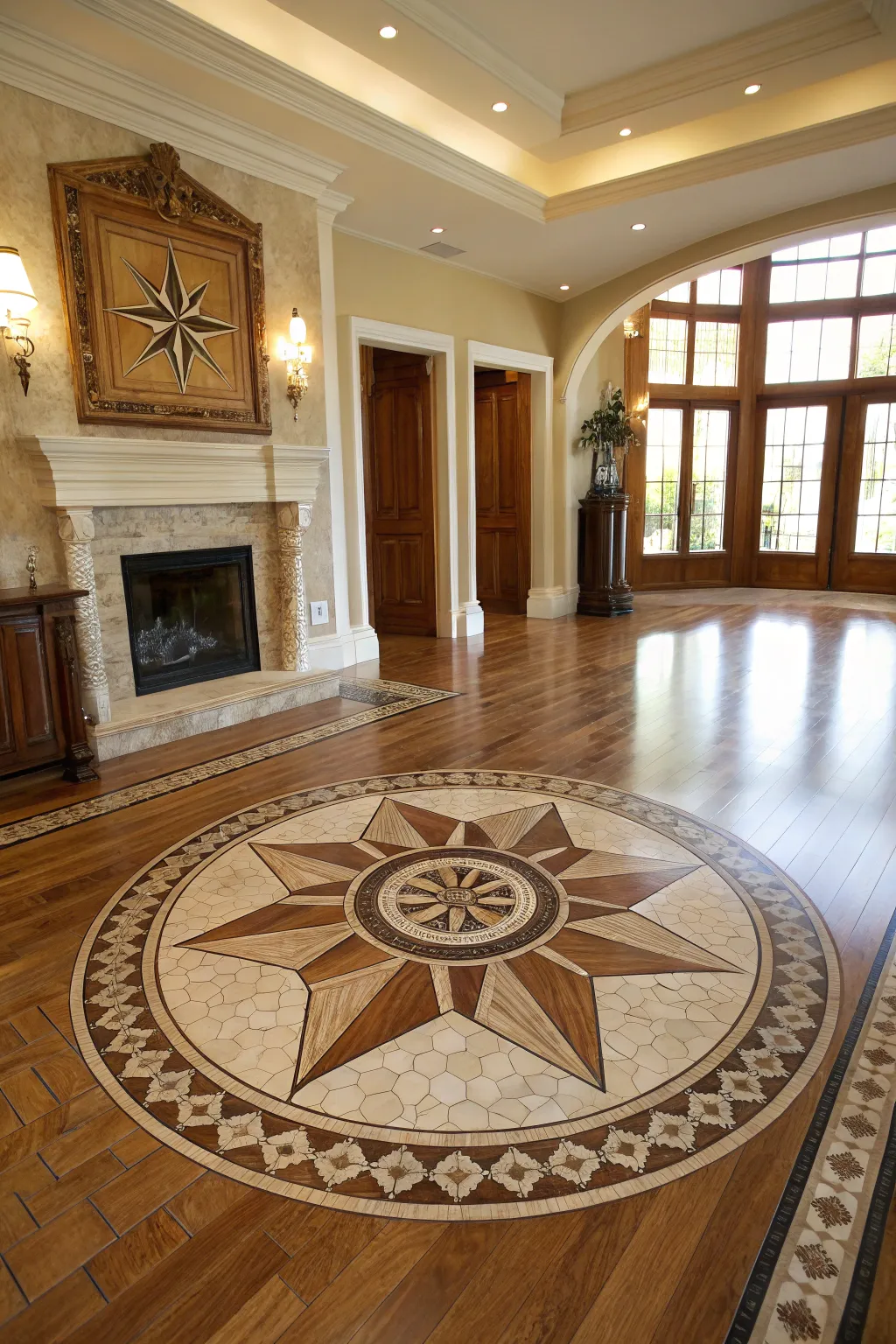
The Tile Stage

Try a tile medallion where flooring comes together for a grand focal feature. This is wonderful for anyone who wants a touch of grandeur on their floors.
A few suggestions:
- ArtisTile Medallion: Add class with an elegant medallion.
- GripMedallion Bond: Strong adhesion for a perfect mount.
- TileGuard Seal: Keep the area spotless with a quality sealant.