
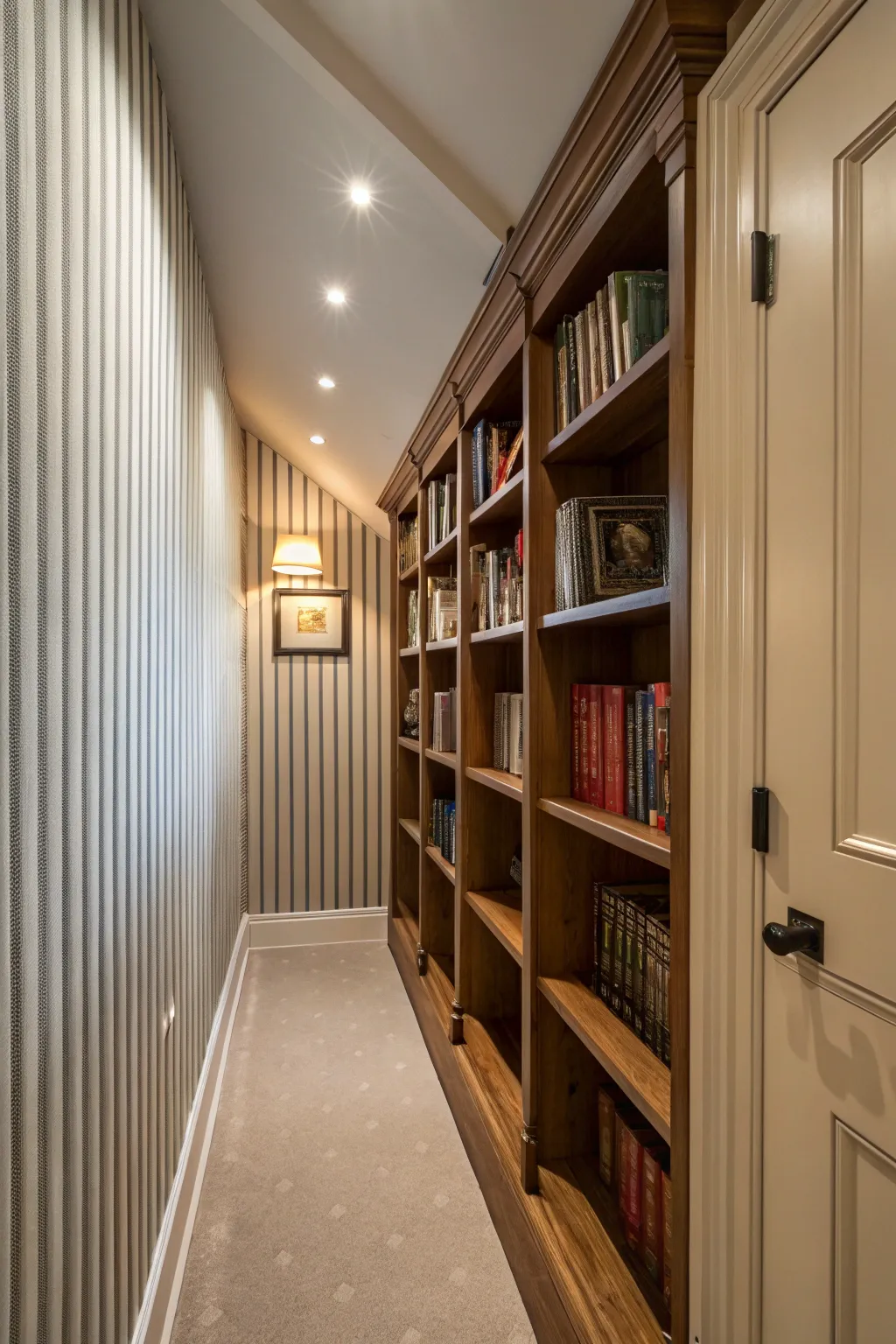
Designing small rooms presents a delightful challenge, brimming with creative possibilities. I’m excited to share some of my go-to strategies for transforming these compact spaces into welcoming and functional sanctuaries that resonate with tranquility and inspiration.
Explore Creative Bed Arrangements

Positioning the bed in unconventional spots, like within alcoves, can optimize the layout. Clients are often pleasantly surprised by how much space this method frees up.
Give these a look:
- Foundation with Secret Drawers: Maximize space with a stylish platform bed featuring convenient built-in storage compartments.
- Illume Mount Lamps: Upgrade your alcove bed setup with sleek, adjustable wall-mounted reading lights, ideal for late-night reading.
- Petite Retreat Table: Perfect for small spaces, this compact bedside table offers functionality without dominating the area.
Craft Adaptable Zones

Designating distinct areas for different activities within a small room can maximize its utility. I’ve designed spaces that effortlessly transition from being productive to relaxing, based on the residents needs.
A few relevant products:
- Tuck Away Work Station: This desk offers a compact solution, perfect for focused work that can be easily stored.
- Sky Rise Display Rack: Keep your room organized and stylish with a space-efficient wall-mounted bookshelf.
- Adapt-a-Lounge: Seamlessly combine seating and sleeping options with a compact, multifunctional sofa bed.
Embrace Versatile Furnishings

A game-changer for optimizing small spaces is employing versatile furnishings. A sofa that converts into a bed or a dining table that can also function as a desk will elevate your room’s practicality. In my design endeavors, I have consistently found that these pieces are crucial for striking a balance between utility and aesthetic appeal.
These products might help:
- Transforma-Couch: A space-efficient sofa bed that provides seating and sleeping options, ideal for rooms where space is at a premium.
- Dual-Purpose Dining Desk: A highly adaptable table that seamlessly changes from a dining surface to a workspace, perfect for areas with limited square footage.
- Concealment Ottoman: A compact ottoman featuring hidden storage, an excellent addition for neatly storing items in smaller living spaces.
Amplify Natural Light with Reflective Surfaces

Reflective surfaces, such as mirrors, can dramatically increase natural light, making a room feel much larger. I often position mirrors opposite windows to maximize this effect in various smaller spaces.
Possibly handy products:
- Expansive Vista Mirror: A large floor mirror enhances light and creates a sense of spaciousness in any small room.
- Ornamental Glimmer Mirror: This decorative wall mirror introduces style while amplifying natural light throughout the space.
- Reflect and Stow Cabinet: A mirror cabinet combines practical storage with reflective surfaces to brighten up your space.
Integrate Thoughtful Plant Placement

Incorporating greenery infuses a small room with vitality. A modest plant on a shelf or a trailing plant by the window can make an enormous impact, uplifting the space.
Consider these options:
- Suspended Bloom Set: Develop vertical interest with a hanging planter set, perfect for maximizing space in smaller environments.
- Verdant Collection: Curate a collection of petite indoor plants perfect for adding nature to any shelf.
- Wall Embrace Display: Showcase your plants elegantly on a stylish wall-mounted floating shelf for enhanced space utilization.
Embrace a Zen-Like Decor Aesthetic

Keeping decor to a minimum helps prevent overwhelming a small space. I always aim for simplicity, making sure each item has a purpose and adds value without unnecessary clutter.
Possibly helpful picks:
- Serene Shade Cushions: Enhance comfort and style with simple, neutral throw pillows, contributing to a minimalist appearance.
- Upright Lumina: An elegant floor lamp that provides essential lighting without occupying significant space.
- Precise Pattern Rug: Introduce subtle texture and warmth with a geometric area rug designed for smaller spaces.
Incorporate Unique Elements

Adding personal touches, such as custom artwork or unique decor pieces, can transform a small space into a special haven. I encourage everyone to incorporate items that reflect their personality and passions.
Some ideas to consider:
- Bespoke Canvas Prints: Personalize your space with custom wall art prints that reflect your individual style and interests.
- Personalized Comforts: Introduce comfort and color with decorative throw pillows that showcase your room’s character.
- Artisan Clay Formations: Showcase flowers or greenery in handmade ceramic vases for a personal, artistic touch.
Utilize Crafted Furniture

Built-in furniture has the potential to streamline a room and maximize usable space. I’ve observed this strategy transforming cramped spaces by providing smooth and seamless storage solutions.
A few things you might like:
- Attached Study Zone: A space-saving desk with integrated shelves, designed to create a functional workspace in small rooms.
- Contained Seating Nook: A multipurpose storage bench that offers both seating and concealed storage, maximizing space efficiency.
- Block Formations: Customizable bookshelf units for organizing books and decor, enhancing any compact space.
Opt for Hidden or Bypass Doors

Replacing traditional doors with sliding or pocket doors can create additional space. This is a clever technique that I’ve used to improve spatial flow, enhancing a room’s usability.
Items that may come in handy:
- Gliding Gate Gear: Enhance space efficiency with a streamlined sliding door hardware kit for effortless installation.
- Subtle Light Panel Door: Introduce privacy and sophistication to any room with an elegant frosted glass sliding door.
- Stowaway Pass Kit: Maximize room space by installing a convenient and efficient pocket door kit.
Craft Dimension with Statement Walls and Rich Textures

Statement walls or richly textured finishes introduce depth to a room without adding clutter. I am fond of using subtle patterns or a striking wallpaper to capture attention and inject character.
A few helpful options:
- Embossed Wallcovering Roll: Introduce sophistication and depth with our user-friendly textured wallpaper, ideal for crafting a captivating feature wall.
- Sculpted Wall Panels: Amplify the dimensional feel of your room with easy-to-install and paintable 3D wall panels.
- Adhesive Artistry Wallpaper: Easily revamp any room with our peel and stick wallpaper, boasting bold patterns and rich textures.
Adopt Harmonious Color Palettes

A cohesive color scheme can unify a small space, making it feel more expansive and balanced. I consistently select harmonious hues to create a fluid and appealing atmosphere.
These products might be useful:
- Soft Echo Rug: Enhances the room’s ambiance with a soft, neutral tone that complements harmonious color schemes.
- Echo Tone Linings: These cushion covers add texture and color, fitting perfectly with a unified color theme.
- Chromatic Wall Set: A set of wall art pieces designed to harmonize with the room’s colors, enhancing visual unity.
Enhance with Textural Layers

Layering textiles, such as throws and cushions, introduces comfort and visual appeal. I often layer rugs to delineate distinct zones within the same room, creating visual separation.
Some handy options:
- Comfort Weaves: Add warmth and style to your space with cozy decorative throw blankets, inviting relaxation.
- Cushion Ensemble: Enhance comfort and texture with a chic set of cushion covers, updating your décor effortlessly.
- Horizon Rugs: Define different areas and add depth with layered area rugs that feature complementary designs.
Install Free-Hanging Furniture

Floating furniture, such as wall-mounted desks or nightstands, frees up floor space and opens up the room, creating functional, uncluttered environments. I’ve successfully used this strategy in many projects.
A few suggestions:
- Cloud Top Desk: A space-efficient desk that attaches directly to the wall, perfect for compact workspaces.
- Cloud Rest: A practical nightstand that mounts to the wall, maximizing floor space in tight bedrooms.
- Ethereal Shelf Set: Stylish wall shelves for displaying décor while maintaining a clear and organized floor space.
Incorporate Atmospheric Lighting Accents

Accent lighting, like wall sconces or pendant lights, introduces warmth and personality without occupying floor space. This is one of my favorite tactics for enhancing the overall ambiance.
Useful items to consider:
- Radiant Mounts: Elegant wall sconces enhance the ambiance while saving space in smaller rooms.
- Era Charm Lights: Charming vintage pendant lights create a warm and inviting room atmosphere.
- Hearth Table Tops: Infuse warmth and character with these compact rustic table lamps, perfect for cozy spaces.
Emphasize Soaring Lines

Vertical lines, like tall bookcases or vertically striped wallpaper, can make a room feel taller. I employ vertical elements to draw the eye upwards, creating an impression of height and spaciousness.
Products that could assist:
- Grand Ascent Bookcase: An elegant bookcase designed to leverage vertical space, displaying your books with style.
- Rise Effect Wallcovering: Vertical striped wallpaper that adds an illusion of height and elegance to the space.
- Sleek Glow Lights: Enhance vertical aesthetics with streamlined LED wall lights, designed for efficient illumination.