
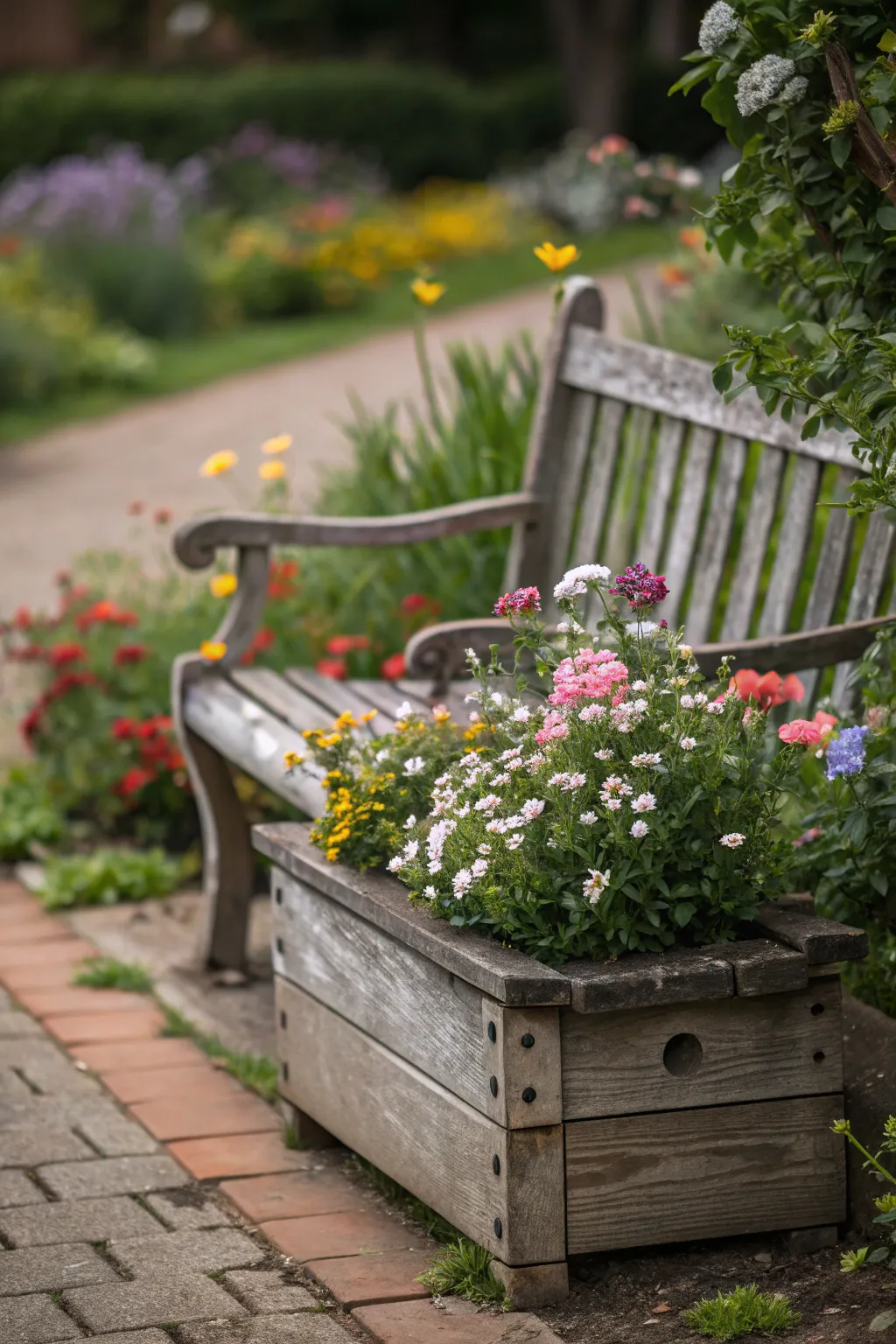
A compact flower garden has the power to turn any area into a vibrant retreat filled with color and life. Let’s explore innovative and functional concepts to optimize your gardening area, regardless of its size.
Employ Tiered Planting

Employ tiered planting to establish a sense of depth by placing taller plants at the rear and shorter ones up front. This method always brings to mind creating a floral arrangement, where each layer unveils its distinct narrative.
A few things you might like:
- Adjustable Height Plant Platforms: Maximize your tiered planting using customizable platforms to attain the ideal depth and visual effect.
- Garden Border Divider: Outline and arrange your flower garden tiers with versatile and resilient garden border dividers.
- Natural Soil Enhancer for Flower Gardens: Nourish your tiered plantings with nutrient-rich natural soil, encouraging robust growth and vivid flowers.
Play Around with Assorted Textures

Combine flowers with various textures to create a rich tapestry. I’m fascinated by how the interplay of sleek and rugged textures can introduce dimension and intrigue to my designs.
You might like:
- Mixed Flower Seed Assortment: Enhance textural diversity in your garden using a vibrant collection of flower seeds.
- Ornamental Garden Pebbles: Incorporate dynamic textures into your flower gardens with artistically designed ornamental garden pebbles.
- Diverse Succulent Plant Set: Introduce various textures and shades to your design with a diverse succulent plant set.
Incorporate a Small Pool

Adding a small pool can introduce a special tranquility to a flower garden. From my experience, even a small water feature greatly enhances the serene atmosphere.
Consider these options:
- Premade Plastic Pool Container: Enhance your garden using a resilient pool container, instantly establishing an enchanting water feature.
- Solar-Driven Fountain Pump: Introduce a calming water flow using this environmentally-friendly solar pump, ideal for small pools.
- Pool Water Plant Collection: Introduce vibrant life to your pool using a selection of stunning aquatic plants.
Guarantee Interest Spanning Several Seasons

Choose plants that offer interest across the seasons to ensure your garden remains beautiful throughout the year. I’ve always valued how this type of planning keeps the garden dynamic and captivating.
May just do the trick:
- Perennial Flower Seed Selection: Plant vibrant year-round flowers and effortlessly maintain blooms in your garden through every season.
- Ornamental Garden Surround: Elevate your flower garden’s charm and construction using elegant and long-lasting garden surround.
- Automated Plant Hydration System: Ensure your garden stays hydrated effortlessly with a handy automated hydration system.
Integrate Vertical Aspects

Incorporate vertical elements such as trellises to introduce height and draw attention upwards. This technique has always been one of my favorites for visually expanding areas and making them more vibrant.
A few helpful options:
- Garden Trellis: Enhance your garden’s vertical area using a resilient and stylish garden trellis.
- Climbing Plant Support: Offer robust support for your climbing plants to flourish and enhance your garden area.
- Ornamental Garden Gateway: Establish a sophisticated entrance by incorporating a gorgeous garden gateway into your flower garden.
Combine Colors

A vivid blend of colors has the power to transform a small space into a striking center point. I’ve come to realize that playing around with bold and understated shades can significantly alter the ambiance of an area.
A few relevant products:
- Varied Flower Seed Collection: Infuse vibrancy into your garden using a wide range of striking and subtle flower seeds.
- Vibrant Garden Pots: Introduce flair to your garden with multi-hued pots, enhancing your flower garden’s visual charm.
- Natural Plant Booster: Intensify your flowers’ shades with natural booster, guaranteeing vibrant and robust blooms.
Include Edible Plants

Incorporate edibles such as herbs for both beauty and usefulness. I often sneak in a few culinary favorites, adding a savory element to the traditional flower garden.
Items that may come in handy:
- Herb Seed Beginning Set: Start your edible garden effortlessly using this herb seed kit. Ideal for novice gardeners!
- Elevated Garden Bed: Enhance your flower garden using this user-friendly elevated garden bed for added height and beauty.
- Natural Plant Food for Herbs: Promote the growth of your herbs naturally with this natural, nutrient-rich plant food.
Explore a Zen Garden Concept

Incorporate a Zen garden theme with minimalist plants and serene elements. This approach has always introduced tranquility and balance into my design spaces.
Check if these fit your needs:
- Mini Zen Garden Set: Create tranquility in your space using a mini Zen garden set, perfect for meditation.
- Japanese Garden Lantern: Add elegance to your Zen garden using a classic Japanese garden lantern for ambient lighting.
- Ornamental Stones for Zen Garden: Enhance your garden’s beauty by arranging ornamental stones for a serene landscape design.
Experiment with Groundcovers

Use groundcovers to fill voids and establish a lush, carpet-like effect. I’m captivated by how they offer a seamless transition between various elements in the garden.
These products might be useful:
- Assorted Groundcover Plant Seeds: Establish a lush, carpet-like effect using this variety of easy-to-grow groundcover plant seeds.
- Creeping Thyme Potted Plants: Enhance your garden’s beauty using fragrant creeping thyme plants that thrive in diverse conditions.
- Natural Mulch Groundcover: Protect plant roots and retain moisture by using this sustainable natural mulch groundcover option.
Opt for Potted Gardens

Pots can be incredibly useful in getting the most out of limited areas. I frequently utilize potted gardens for added flexibility, which enables me to switch up the design based on the time of year or how I’m feeling.
A few suggestions:
- Decorative Blossom Pots: Enhance your garden’s allure with decorative pots, ideal for beautifully showcasing seasonal blooms.
- Multi-Level Plant Racks: Utilize area efficiently with multi-level racks, allowing you to showcase diverse plants artistically in confined areas.
- Mobile Plant Bases: Easily reposition your potted gardens using plant bases, excellent for adjusting sunlight exposure.
Utilize Reused Materials

Think about using reused materials such as old bricks or wood for an environmentally conscious border. This strategy not only conserves resources but also adds a personal touch to the design.
These products might help:
- Reclaimed Brick Garden Border: Add charm and sustainability to your garden using these versatile reclaimed brick border pieces.
- Reused Wood Garden Surround: Outline your flower gardens naturally using this eco-friendly reused wood garden surround.
- Vintage Garden Lamps: Illuminate your flower gardens elegantly using these energy-efficient vintage garden lamps.
Specify Using Stone Borders

Using stone borders adds a polished touch and texture to your flower garden. I’ve frequently used this technique to achieve a refined appearance with minimal effort.
Some ideas to consider:
- Natural Stone Garden Border Stones: Enhance your flower gardens with traditional natural stones for an enduring, elegant border finish.
- Landscaping Block Border Sections: Establish a tidy and resilient edge around your flower gardens using premium block border sections.
- Interlocking Garden Border Tiles: Employ interlocking tiles for a straightforward and secure border that provides a contemporary aesthetic to gardens.
Install Night Illumination

Add solar lamps to appreciate your flower garden after dark. I’ve observed how the soft radiance of lamps can transform a garden into a captivating evening retreat.
Possibly helpful picks:
- Solar Garden Pathway Lamps: Illuminate your flower garden using environmentally-friendly solar lamps for a serene evening ambiance.
- LED Solar Spotlight: Emphasize your favorite flowers using adjustable solar spotlights for added night-time charm.
- Ornamental Solar Lights: Add a touch of elegance and light your garden using stylish ornamental solar lights.
Create a Color Block

Try out a color block strategy by planting flowers of a single shade for a dramatic impact. This method always reminds me of creating art with nature’s palette.
Check these products out:
- Flower Seed Envelopes: Transform your garden with vibrant flowers using these user-friendly seed envelopes for abundant blooms.
- Exterior Plant Booster: Promote your flower garden’s growth with this nutrient-rich booster, perfect for vibrant color displays.
- Garden Surround Set: Outline your garden area elegantly using this easy-to-install surround set for a refined look.
Accommodate Small Areas

Even the tiniest locations, like side yards, can accommodate an attractive flower garden. Planning for small areas is akin to piecing together a puzzle, and I relish the challenge it presents.
Possibly handy products:
- Space-Optimizing Vertical Planter: Optimize your side yard’s potential using a vertical planter, incorporating tiers of vibrant flowers.
- Small Flower Garden Sets: Transform tiny nooks into a floral haven with user-friendly small flower garden sets.
- Modifiable Garden Border: Outline your compact flower garden using adaptable border for a tidy and polished appearance.
Utilize Overlooked Spaces

Change unused areas, such as driveways or walkways, into attractive flower gardens. I’ve discovered that these unexpected spots can become delightful garden gems.
Explore these options:
- Ornamental Garden Border Rocks: Enhance your flower garden borders beautifully with user-friendly ornamental garden border rocks.
- Wildflower Seed Assortment: Populate your flower gardens with vibrant blooms using a versatile wildflower seed assortment.
- Exterior Solar Garden Illumination: Illuminate your flower gardens at night using enchanting exterior solar garden illumination.
Incorporate Sweeping Curves

Adding curved edges to your flower garden can visually expand a small area, making it more appealing. I’ve always been drawn to how a soft curve can guide your gaze and instill a sense of motion throughout the garden.
Some handy options:
- Adaptable Garden Border: Easily craft eye-catching curves in your garden with bendable and sturdy border options.
- Arched Stone Border Set: Elevate your garden’s charm with ornamental stone borders that introduce texture and sophistication.
- Garden Edge Shaper: Create exquisite curved garden borders using adaptable concrete molds for personalized designs.
Incorporate a Seating Space

Place a comfortable bench in your flower garden for a tranquil escape. In my designs, a seating area enables me to soak in the garden’s beauty from a prime vantage point.
Might be a good match:
- Exterior Wood Garden Bench: Relax on a charming wood bench and enjoy peaceful garden vistas every day.
- Vibrant Floral Exterior Cushions: Add comfort and flair to your seating space using vibrant floral exterior cushions.
- Weather-Resistant Garden Planters: Complement your seating space using sturdy planters perfect for showcasing gorgeous flowers.